
Last updated: November 14, 2026
Quick Answer: For most homes, a well-detailed soffit and fascia system should be designed to stay flat, keep soffit vents open, and control water at the roof edge; in practical terms, a good roof-edge upgrade often starts with choosing the material that fits the climate and maintenance plan, not the prettiest sample. Soffit and fascia materials and design choices come down to weather resistance, ventilation, and how much upkeep you want to live with. The right setup protects the roof edge, moves air through the attic, and keeps trim from rotting early. The sections below settle which material fits which house, what design details matter, and where people make expensive mistakes in Soffit and Fascia Materials and Design Choices.
Key takeaways
- Soffit and fascia do different jobs, and the material choice has to match each one.
- Ventilation matters as much as appearance, especially at the soffit.
- Wood looks right in some homes, but it asks for paint, sealing, and regular inspection.
- Aluminum is common for fascia and vented soffit because it handles weather without much fuss.
- Vinyl can work well, but heat, movement, and fit details matter.
- Fiber cement and cellular PVC solve different problems, and they are not interchangeable.
- Bad venting, wrong fastening, and poor drip-edge details can ruin a good-looking install fast.
What soffit and fascia actually do on a roof edge
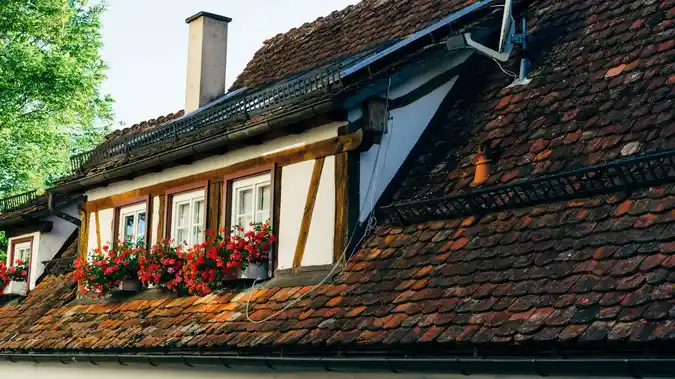
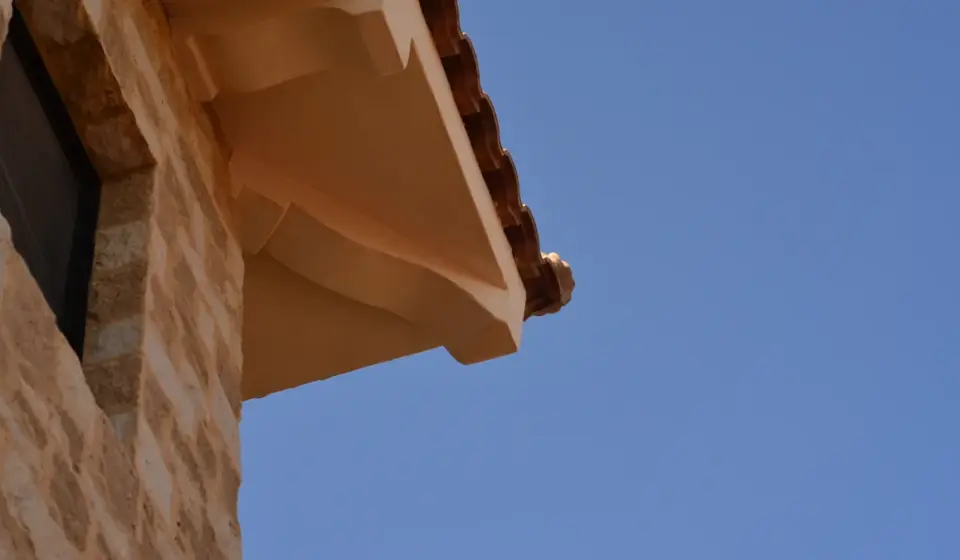
Picture this: you’re standing at the edge of a roof, looking up under the overhang and along the front trim board. The soffit closes the underside, the fascia faces outward, and together they finish the edge while helping the roof system breathe and shed water. This is the part most people notice only after it fails.
The soffit is the underside panel under the eave or porch overhang. The fascia is the vertical board at the roof edge that supports the gutter and hides the ends of the rafters. A good edge does three things at once: it looks straight, it keeps water out of the roof assembly, and it gives attic air a route in and out.
Here’s the catch: people often pick material by looks alone. That’s how you end up with trim that matches the siding but fights the climate, or a vented soffit that looks tidy but barely moves air.
| Part | Main job | What can go wrong | Typical material choices |
|---|---|---|---|
| Soffit | Close the underside and allow intake ventilation | Blocked vents, sagging panels, insect gaps | Vinyl, aluminum, wood, fiber cement, cellular PVC |
| Fascia | Cover rafter ends and support gutter edges | Rot, warping, nail pullout, poor gutter support | Wood, aluminum wrap, PVC, fiber cement |
| Barge or rake trim | Finish the gable edge | Water entry at joints | Wood, aluminum, PVC |
| Drip edge | Send water away from the fascia and roof deck | Water wicking behind trim | Metal flashing |
The visual clue is simple: on a clean roof edge, the lines stay straight and the panel joints don’t bow. On a poor one, you see waves, gaps, and paint failure before you see leaks.
Which soffit material makes sense for your house?
Soffit material choice mostly comes down to ventilation, exposure, and how much cutting and maintenance you can tolerate. The right panel is not always the fanciest one; it’s the one that stays flat, vents properly, and survives the climate.
Picture this: you’re choosing between a solid panel, a vented panel, and a perforated profile at the store. The key is not just color — it’s airflow, thickness, and expansion behavior. That’s what separates a neat roof edge from one that warps or starves the attic.
| Material | Best use | Strengths | Weak points |
|---|---|---|---|
| Vinyl | Low-maintenance homes, vented runs | Light, easy to cut, available in vented styles | Can move with heat, can look flimsy if unsupported |
| Aluminum | Long runs, vented soffits, wet climates | Stable, corrosion-resistant, clean finish | Can dent, can oil-can if fastening is poor |
| Wood | Historic homes, custom trim work | Warm look, easy to match existing trim | Needs sealing and repainting, can rot |
| Fiber cement | Fire-prone areas, durable trim systems | Stable, resistant to rot and insects | Heavier, harder to cut, more labor |
| Cellular PVC | Moisture-heavy locations, painted trim look | Won’t rot, machines like wood | Can expand, needs proper fastening and gaps |
A soffit with vent slots is only useful if those slots stay open. Painting over them, stuffing insulation against them, or covering them with debris defeats the whole point.
The practical rule for soffit selection
-
Check ventilation needs first. If the attic needs intake air, choose a vented profile or separate vents.
What to check: clear vent openings and a path to the ridge or high vent.
What not to do: install solid soffit where the attic depends on soffit intake. -
Match the climate. Wet, coastal, or freeze-thaw areas punish soft materials.
What to check: resistance to rot, corrosion, and movement.
What not to do: pick a material because it looks good on a sample board. -
Look at panel stiffness. Thin panels can sag between supports.
What to check: flatness after fastening and the spacing of the framing behind it.
What not to do: expect a flexible panel to hide a wavy substrate. -
Confirm maintenance tolerance. Some materials need repainting; others need little more than cleaning.
What to check: whether the finish is factory-coated or site-painted.
What not to do: assume “maintenance-free” means no inspection. -
Inspect insect protection. Open vents need screening.
What to check: fine mesh or built-in insect blocking.
What not to do: leave openings large enough for pests. -
Think about future access. Soffit often has to be removed for repairs.
What to check: fastening method and panel format.
What not to do: install a system that can’t be opened without damage.
The first mistake is treating every soffit like a decorative ceiling. A roofing or ventilation professional can help confirm the right venting approach, and sources such as the U.S. Department of Energy explain that attic intake and exhaust should be balanced rather than blocked.
Which fascia material lasts longest without constant repairs?
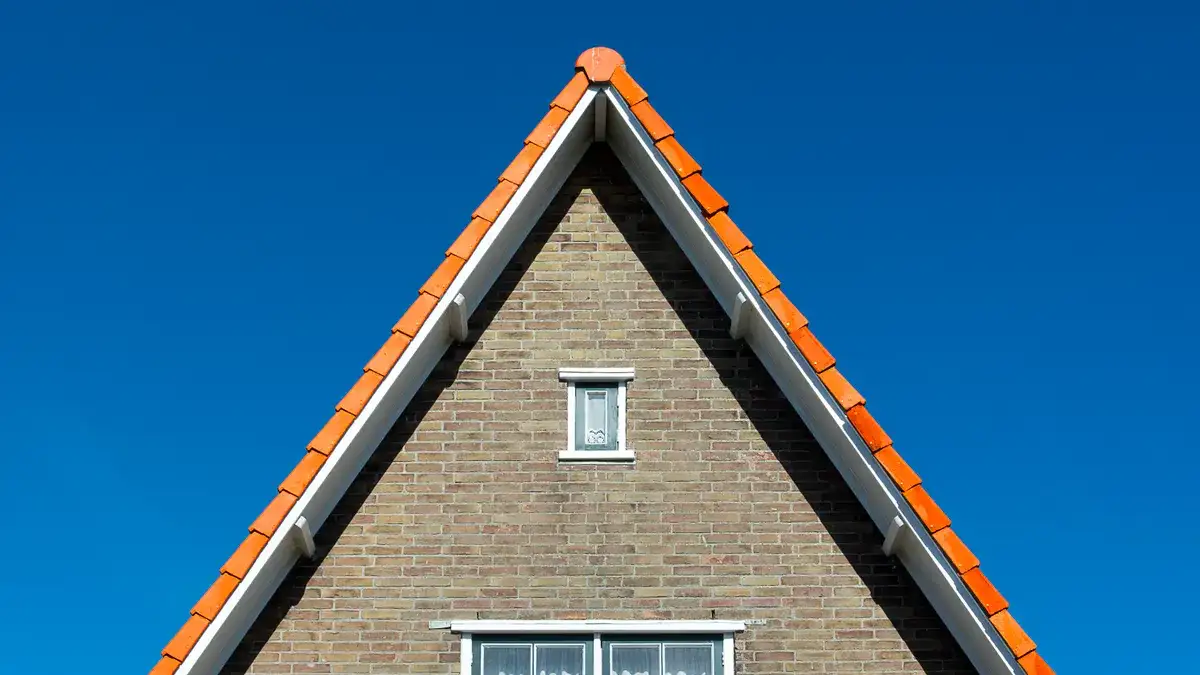
Fascia lasts longest when it resists moisture at the edge, holds fasteners for gutters, and doesn’t twist under sun and rain. The material is only part of the answer; the detailing behind it matters just as much.
Picture this: you’re looking straight at the fascia board from the yard. The edge should read as one clean line, not as a row of swollen joints or ripples under paint. The key element here is the fastener line — notice how a good install holds straight under the gutter. That separates trim that supports the roof from trim that just covers it.
| Fascia option | Best for | Good traits | Common problems |
|---|---|---|---|
| Wood board | Traditional homes, easy field repair | Familiar, easy to shape, takes paint well | Rot at ends, swelling, peeling paint |
| Aluminum wrap | Over existing wood fascia | Reduces weather exposure, low upkeep | Needs proper backing, dents show up |
| Cellular PVC | Moisture-prone edges | Rot-resistant, stable, paintable | Expansion gaps matter, fasteners must be correct |
| Fiber cement | Durable painted trim | Stable, insect-resistant, strong profile | Heavy, more labor, cut edges need care |
A bare wood fascia can work well if it stays dry and gets painted on schedule. Once water gets behind the paint film or into end grain, the board can soften near gutter hangers and at miters. That damage often starts where you cannot see it from the ground.
The best fascia choice depends on what sits behind it, so substrate condition should guide the final decision. If the substrate is rotten, wrapping it hides the problem for a while but does not fix the structure. If the substrate is solid, an aluminum wrap or PVC fascia can give a cleaner edge with less future work.
What to look for in a fascia upgrade
- Straightness: the board should stay straight along its full length.
- Fastener support: gutter screws need solid backing, not soft wood.
- Joint treatment: seams should be tight and weather-managed, not just caulked. A roofing or exterior trim professional can help judge the right joint strategy, and building-envelope guidance from the U.S. Department of Energy stresses that water management depends on correct flashing and detailing.
- Paint or wrap finish: edges and cuts should be sealed or covered.
- Drip edge integration: water must land in front of the fascia, not behind it.
A fascia that looks good for a year but fails at the gutter line is the wrong choice. That failure is usually about water control, not the color of the trim.
How do you choose between vinyl, aluminum, wood, PVC, and fiber cement?
Choose based on exposure, labor, and the look you need — not on habit. Each material solves a different problem, and the wrong one makes the job harder for years.
Picture this: you’re comparing stacks of trim materials on the job site. The face surface may look similar, but the real differences live in weight, cut quality, movement, and what happens after the first winter. That’s where the decision gets real.
| Material | Best use case | What a good result looks like | What a bad result looks like |
|---|---|---|---|
| Vinyl | Budget-minded vented soffit | Even panels, clean vent holes, no sag | Wavy run, brittle edges, poor fastening |
| Aluminum | Long-lasting soffit and wrapped fascia | Straight lines, minimal upkeep, clean joints | Dents, noise, visible oil-canning |
| Wood | Historic or custom trim | Painted, sealed, crisp profile | Peeling paint, rot, open joints |
| Cellular PVC | Wet climates, painted fascia | Stable shape, rot resistance, neat corners | Expansion gaps ignored, fasteners telegraphing |
| Fiber cement | Durable painted soffit/fascia systems | Solid, stable, long wear | Heavy cuts, edge damage, labor issues |
Vinyl is light and easy to handle, but it can move with temperature and may look less substantial on wide eaves. Aluminum is a workhorse for soffit and fascia wrap because it stays neat and sheds weather well, though dents are visible and bad fastening can make it drum in wind. Wood gives the most traditional look, but it demands regular care. PVC resists rot, yet it needs proper spacing and fastening because movement still happens. Fiber cement is strong and stable, but it is heavier and less forgiving during cutting and fitting.
The honest answer is this: there is no universal winner. For a damp coastal home, wood can be a weaker long-term bet unless the upkeep is disciplined. For a historic house, aluminum wrap over good backing may preserve the look better than swapping to a plastic profile. For a high-maintenance-free goal, aluminum or PVC usually land near the top.
What design details separate a good install from a bad one?
A good soffit and fascia job depends on venting, flashing, fastening, and expansion gaps, not just the panel material. Those details decide whether the edge stays dry and straight for years.
Picture this: you’re looking at the roof edge from below and from the yard. The key is the water path — notice how the drip edge, fascia, and gutter should move water away in one clean line. That is what keeps a finished edge from becoming a repair list.
The correct assembly, in order
-
Install the drip edge first.
What to check: metal should extend so runoff clears the fascia.
What not to do: bury the edge behind trim where water can wick backward. -
Make sure the substrate is sound.
What to check: solid rafter tails, straight backing, no hidden rot.
What not to do: cover soft wood and call it done. -
Set the fascia straight before fastening the gutter.
What to check: a clean, continuous line.
What not to do: use the gutter to force a crooked board into place. -
Leave room for material movement.
What to check: expansion gaps where the material needs them.
What not to do: jam PVC or aluminum tight against a corner. -
Keep soffit vents open.
What to check: clear slots, clear air path, insect screen in place.
What not to do: paint over the venting or block it with insulation. -
Use the right fasteners.
What to check: corrosion resistance and proper holding power.
What not to do: use random nails that rust or back out. -
Seal only the right joints.
What to check: caulk where the system needs weather protection, not where movement belongs.
What not to do: rely on caulk as the main waterproofing strategy.
| Detail | Correct sign | Incorrect sign |
|---|---|---|
| Drip edge | Water lands in front of fascia | Staining behind the fascia |
| Soffit venting | Open intake path | Dust-packed or painted-over slots |
| Fasteners | Solid, spaced correctly | Buckled trim or popping heads |
| Joints | Clean, planned seams | Random gaps and patched corners |
| Gutter interface | Gutter hangs from sound backing | Sagging line or pulled fasteners |
The truth is, most soffit and fascia problems start at the edges, not in the middle of the panel. A perfect panel with bad flashing still fails.
What do the numbers and measurements have to do with a better result?
Measurements matter because soffit and fascia are fit systems, not loose trim. If the dimensions are wrong, the panels buckle, the vents choke, or the gutter edge looks crooked.
Picture this: you’re on a ladder with a tape measure, checking the overhang and the panel width before a cut. The number that matters most is the one that keeps the edge aligned — not the one that looks good on the package.
| Item to measure | Why it matters | What to look for |
|---|---|---|
| Overhang depth | Decides soffit format | Enough room for panels and venting |
| Rafter spacing | Affects support | Straight, consistent framing behind the soffit |
| Panel width | Controls fit | Panel lands on framing or nailing points |
| Gutter clearance | Prevents interference | Gutter does not crowd the fascia face |
| Vent area | Supports attic intake | Openings are not blocked by paint or debris |
A deep overhang may call for more support and a more rigid panel than a narrow eave. Wide facias also make waves more visible if the substrate is uneven. Thin trim can hide mistakes for a while, but it will not correct them. Because of that, many installers check the overhang and the backing before they choose the profile.
The line you want to see is straight from one end to the other. If it dips near a joint or bows between supports, the material is telling you the backing is wrong, the spacing is off, or both.
Which design choices fit different house styles and climates?
Design should follow the house and the weather, not just the catalog. A clean soffit-and-fascia package on a coastal bungalow will not always be the right answer for a brick colonial or a mountain cabin.
Picture this: you’re standing across the street and judging the roof edge as part of the whole facade. The best choice is the one that disappears into the architecture while still doing hard work. That means profile, finish, and maintenance all have to line up.
| House or climate type | Better choices | Why they fit |
|---|---|---|
| Historic house | Wood or aluminum wrap over sound backing | Preserves traditional appearance |
| Wet or coastal climate | Aluminum, PVC, or fiber cement | Better resistance to moisture |
| Fire-prone area | Fiber cement or noncombustible details where required | Better heat and fire tolerance |
| Low-maintenance suburban home | Aluminum soffit with wrapped fascia | Clean look, little upkeep |
| Custom trim-heavy home | Wood or PVC, depending on maintenance | Easier to match profiles |
A glossy modern fascia can look out of place on a house with deep eaves and hand-built trim. On the flip side, thick wood trim on a damp house can become a maintenance trap. Design choice is not only about appearance; it is about how much the material wants to fight the environment.
The best visual test is simple: does the roof edge look intentional from 20 feet away? If the answer is yes, the materials and proportions are probably right. If it looks patched together, something in the profile or finish is off.
What should you inspect before you choose or replace anything?
You should inspect the roof edge for rot, vent blockage, gutter attachment, and water staining before you settle on a material. Those four checks tell you more than a showroom sample ever will, and a roofing professional can confirm whether the substrate and ventilation plan are sound before you buy anything.
Picture this: you’re walking the perimeter with a flashlight and looking up at corners, joints, and gutter runs. The most useful clues are small — peeling paint, soft spots, stained soffit panels, rusted fasteners, and blocked vents.
A practical inspection checklist
-
Probe the fascia ends.
What to check: soft wood, swelling, or crumbling paint.
What not to do: assume the surface is fine because it still looks painted. -
Look for staining under gutters.
What to check: streaks, drip marks, or mold patterns.
What not to do: ignore faint discoloration at the roof edge. -
Check soffit vents for blockage.
What to check: dust, paint, insulation, or debris covering openings.
What not to do: install new material over a blocked intake path. -
Examine joints and corners.
What to check: gaps, cracked sealant, or lifted edges.
What not to do: rely on heavy caulk as the only fix. -
Inspect gutter hangers and fasteners.
What to check: solid bite into backing, no rust, no pulling away.
What not to do: screw into rotten fascia and hope it holds. -
Assess the substrate behind the trim.
What to check: structural soundness, straightness, and dryness.
What not to do: cover hidden decay with a prettier face.
If the backing is rotten, the material choice is secondary. Fixing the board is the job. The trim only works after that.
What does the right soffit and fascia choice feel like in real use?
The right choice is the one that stays quiet, dry, and straight after rain, heat, and a few seasons of weather. It should not need weekly attention, and it should not telegraph movement through the paint or joints.
Picture this: you’ve lived through one hot summer and one wet winter. The good install still reads as a clean roof edge, the soffit vents are open, and the fascia hasn’t split at the gutters. That’s the standard. Not perfect. Just solid.
A common mistake is to pick the hardest-looking material and ignore the rest of the system. Another is to buy the cheapest trim and hope paint will hide the flaws. Both choices cost more later.
The best fit depends on the whole assembly:
- Wood if the house needs tradition and someone will maintain it.
- Aluminum if you want a low-fuss edge with a clean profile.
- PVC if moisture is the main enemy and movement is managed.
- Fiber cement if durability and stability matter more than ease of handling.
- Vinyl if the soffit needs a budget-conscious vented finish and the run is built correctly.
The smart move is to treat soffit and fascia as one system, not two separate purchases. If one side fails, the other usually follows.
Is it better to cover old fascia or replace it?
Replacement is better when the old fascia is soft, warped, or holding gutters on damaged wood; covering only works when the existing board is structurally sound. This is one of the biggest judgment calls in the whole job.
Picture this: you pull off a gutter section and find the board behind it soft at the nail line. A wrap may make the edge look neat for a while, but the rot keeps moving if the source of moisture stays in place.
If the fascia is sound, an aluminum wrap or PVC cover can give a crisp finish with less maintenance. If the board is compromised, replacement gives you a chance to reset the drip edge, correct the line, and fix the backing before new trim goes on. That matters more than the finish color.
The wrong move is to bury damage because it is cheaper today. The right move is to replace what has lost its structure and cover only what is still strong. That distinction saves money and avoids the ugly middle stage where the trim looks new but the roof edge still fails.
FAQ
What is the best material for soffit and fascia?
The best material depends on climate, maintenance tolerance, and the house style. Aluminum is a strong all-around pick for low maintenance, while wood fits historic work and PVC or fiber cement suit wetter or harsher conditions.
Should soffit be vented?
Yes, if the attic design needs intake ventilation. Venting helps air move through the roof space, but the vents must stay open and unblocked or they do nothing. The U.S. Department of Energy recommends balanced attic ventilation rather than blocked intake.
Can fascia be covered instead of replaced?
Yes, but only if the existing board is sound and dry. If the wood is rotten or warped, covering it hides a structural problem rather than fixing it.
Is vinyl soffit a bad choice?
No, but it is not the best fit for every house. Vinyl can work well on budget-conscious projects, yet heat movement, support spacing, and the final look all matter.
What is the most maintenance-friendly choice?
Aluminum is often the easiest to live with for soffit and wrapped fascia. It does not rot, it holds a clean line well, and it usually asks for less attention than painted wood.
Drafted with AI; not yet reviewed by a person.


[…] licensed, insured soffit and fascia contractor is the first filter for ladder-and-roof-edge […]
[…] answer: soffit and fascia rot is usually caused by one or more moisture paths at the roof edge, often through gutter […]
[…] pressed, the repair will only hide a bigger problem for a short time. For that kind of diagnosis, a soffit inspection or soffit fascia repair check can […]