
Last updated: November 12, 2026
Key Takeaways
- Weather wears soffit and fascia down through water, heat, movement, and impact at the roof edge.
- Rain and snow create the most repeated stress because they return day after day.
- Yes, sun can damage vinyl soffit by fading, softening, and moving it more than it should.
- Yes, ice dams can damage fascia by forcing meltwater back under shingles and into the roof edge and trim.
How weather affects soffit and fascia is usually easiest to see at the roof edge, where rain, sun, snow, wind, and debris meet. If you’re seeing peeling paint, warped boards, or loose panels, a qualified roofing or exterior contractor should look at the whole roof edge, not just one board. The sections below sort out what each kind of weather does and what it usually points to.
What weather does to soffit and fascia
Weather wears on soffit and fascia by adding water, heat, movement, and impact at the roof edge. The roof trim sits in one of the hardest spots on a house, so even a normal season can stress joints, fasteners, paint, and vent openings.
Soffit is the underside of the overhang. Fascia is the vertical board at the roof edge that often carries the gutter. Both get hit by rain exposure, freeze-thaw cycles, UV exposure, wind uplift, and storm debris. That mix matters more than a single storm, especially when the roof edge sees it every season.
The catch is that different materials fail in different ways. Vinyl can warp from heat, wood can swell and open seams, and aluminum can dent or loosen at fasteners. Water intrusion is the common thread, and the American Society of Home Inspectors notes that roof-edge moisture problems often show up where drainage and ventilation intersect.
- Rain pushes into gaps and nail holes.
- Ice expands in small cracks.
- Sun dries and weakens finishes.
- Wind shakes fasteners and seams.
- Debris dents, scrapes, or rips surfaces.
According to the U.S. Department of Energy, proper attic ventilation also helps reduce heat and moisture buildup at the roof edge, which matters when soffit openings are part of the system.
How rain and snow change soffit and fascia
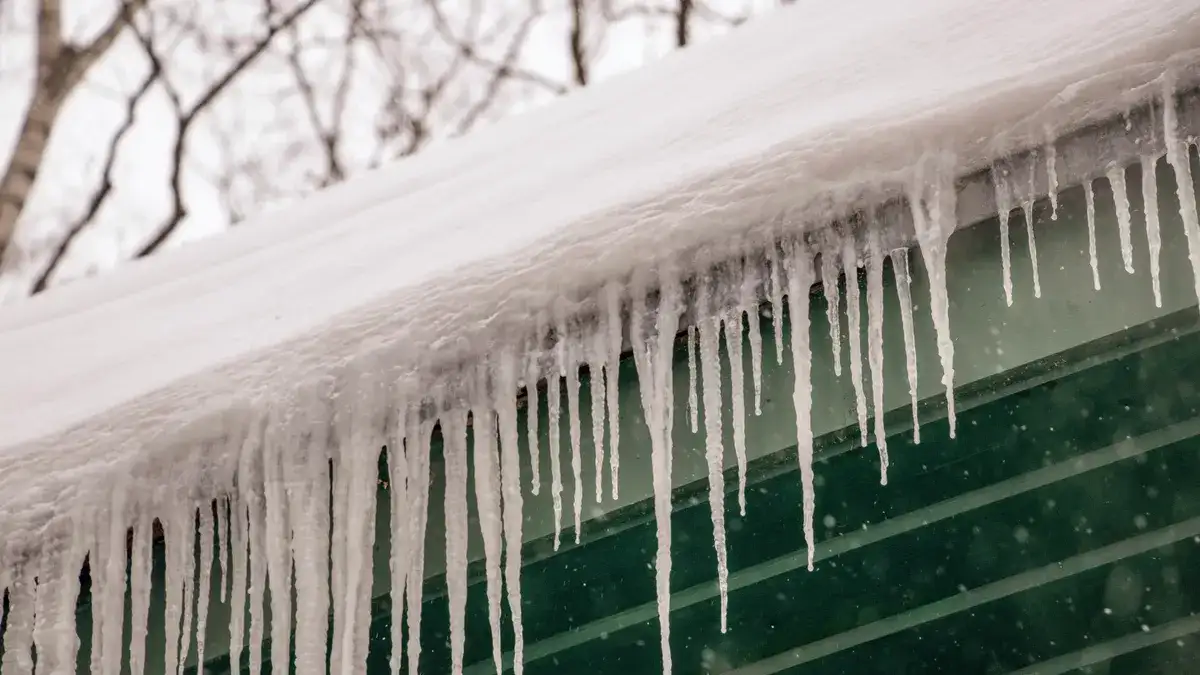
Rain and snow cause the most everyday stress because they repeat for hours, then return the next day. That constant wetting and drying cycle attacks paint, caulk, joints, and any exposed wood at the roof edge.
Because that cycle keeps coming back, the first signs are often subtle. You may see a stain, then a soft seam, then a board that no longer feels solid. Repeated wetting is the problem, not one visible drip.
When rain is driven by wind, it can get past small openings at the fascia edge or behind a gutter. Snow does something different: it sits, melts, refreezes, and feeds moisture into tiny gaps. On a cold roof edge, that can keep trim damp for days. The Insurance Institute for Business & Home Safety says freeze-thaw cycles can worsen small openings once water is already present.
What rain and snow usually do
- Soften paint and blister coatings.
- Open joints where boards meet.
- Rust nails and hanger hardware.
- Feed water behind gutters and drip edges.
- Leave streaking, staining, or dark lines.
What to watch for after long wet weather
- Areas that stay damp longer than the rest of the trim.
- Caulk that has separated from both sides of a joint.
- Paint that curls, flakes, or bubbles.
- Wood edges that look swollen or fuzzy.
The most useful clue is timing. If damage appears after several wet days, weather may be driving the problem rather than age alone.
Does sun damage vinyl soffit?
Yes, sun can damage vinyl soffit by making it fade, soften, and move more than it should. Ultraviolet light breaks down the material over time, and heat makes long panels expand and contract.
Because the exposure is uneven, the south and west sides usually show the most wear. On a hot day, those sides can receive direct sun for several hours, while shaded soffit stays cooler.
Vinyl soffit does not usually rot, but it can warp, buckle, or crack if it was installed too tight or if it bakes under strong sun. That movement can leave open seams or visible waves. Wood and aluminum react differently: wood dries and checks, while aluminum can chalk and fade. The Vinyl Siding Institute notes that thermal movement is expected in vinyl products, which is why installation gaps matter.
Common sun-related effects
- Color fading on the most exposed sides.
- Warping near attic heat or dark roof surfaces.
- Brittle spots near fasteners or edges.
- Expansion gaps that become visible in hot weather.
Materials behave differently
- Vinyl: most likely to move with heat.
- Wood: most likely to dry, split, and lose finish.
- Aluminum: less likely to warp, more likely to dent or chalk.
On the flip side, shade can slow UV wear but hold moisture longer. That means one side of the house may age by sun, while another ages by dampness.
Can ice dams damage fascia?
Yes, ice dams can damage fascia by forcing meltwater to back up under shingles and then into the roof edge and trim. The damage often shows up after a thaw, when trapped water has had time to seep into seams and freeze again.
Because the cycle repeats, the same edge can take multiple hits in one winter. Snow melts, refreezes, and presses water into the fascia line, then the next warm spell repeats the process. That freeze-thaw cycling can widen small gaps at the fascia line.
Ice dams are not just a roof problem. They can wet the fascia board, soak nearby soffit, and leave stains under the overhang. If gutters are packed with ice, the weight can also pull at the fascia edge and loosen fasteners. The U.S. Department of Energy also links ice-dam risk to heat loss and poor ventilation at the roof edge.
Typical effects of ice and thaw
- Water backs up behind shingles.
- Fascia boards absorb hidden moisture.
- Fasteners loosen as ice adds weight.
- Seams split after repeated freezing.
- Paint fails where water keeps returning.
Why this matters
Ice damage often starts out hidden. By the time the stain is visible, water may already have traveled behind the trim. That is why a single stain near the eave is worth more attention than a surface scuff.
What wind and storm debris do to roof trim
Wind and storm debris damage soffit and fascia by loosening, bending, tearing, or puncturing the material. High wind can pull at loose edges, while branches, shingles, and blown objects hit the trim like blunt tools.
Because storms push on weak points all at once, a roof edge can fail even if it looked stable the day before. One panel may hang lower, or one corner may open after a single gust. Wind uplift can do that without tearing off the whole section.
Soffit panels can slip out of their channels if they were already loose. Fascia can bend, especially if gutters were holding water or if a branch struck the edge. Storm debris is often the fastest way weather turns a small weakness into a visible break.
Common storm effects
- Bent or dented aluminum fascia.
- Dislodged soffit panels.
- Broken vents or torn screened openings.
- Gouges from branches or flying debris.
- Loose gutter sections pulling on the fascia.
Why storms expose weak points
A trim edge that was already under stress may survive calm weather for months. One storm can expose that weakness in minutes. That is why storm damage often shows up at corners, seams, and gutter attachment points first.
When standard weather guidance does not apply
Standard advice does not fit every house, especially when material, roof shape, or exposure changes the load. A low-slope roof, a tall tree line, or a coastal site can change how weather hits the trim.
Because those conditions alter the risk, the same storm can create different damage on different houses. Your house may face the ocean, sit under heavy shade, or have a long roof edge with little overhang. The same storm can cause very different damage than it would on a sheltered suburban home.
Coastal salt air: Salt speeds corrosion on fasteners and metal trim — use corrosion-resistant parts and expect shorter finish life.
Deep shade: Shade slows sun wear but keeps surfaces wet longer — watch for moldy staining and paint that fails from trapped moisture.
Tree cover: Branches add impact risk and trap damp debris — clear limbs before the next storm season if possible.
Cold roof edges: Ice buildup is more likely where heat loss meets snow cover — a roof insulation or ventilation issue can make trim damage worse.
Long gutter runs: Extra weight and standing water stress fascia — if gutters sag, the trim at the attachment line takes the load.
The answer is not always obvious from a distance. A climate pattern usually leaves a pattern in the damage, which makes weather-related trim problems easier to read than random wear.
The mistakes people make with weather damage
People often blame the wrong thing, which hides the real cause and lets the damage return after the next storm. The mistake costs time, and sometimes it costs an entire board or panel.
Because the damage path is often hidden, a repair can look fine and still fail on the next rainstorm. You may seal one cracked corner, but the next rainstorm shows the same leak from a different spot. Surface fixes alone often miss the cause.
- Painting over wet wood. The coating traps moisture and fails early. Wait until the surface is dry enough for the finish system being used.
- Ignoring gutter overflow. Overflow keeps soaking the fascia edge. Cleanouts and drainage matter as much as the trim itself.
- Replacing one loose panel only. If wind loosened a run of soffit, the rest may be near failure too.
- Using the wrong caulk. Some caulks crack fast in sun or movement. A joint that flexes needs the right exterior product.
- Treating storm marks as cosmetic. A dent or split can open a path for water. A qualified exterior contractor or home inspector should evaluate whether the mark is only cosmetic or points to deeper damage.
What a weather check should focus on
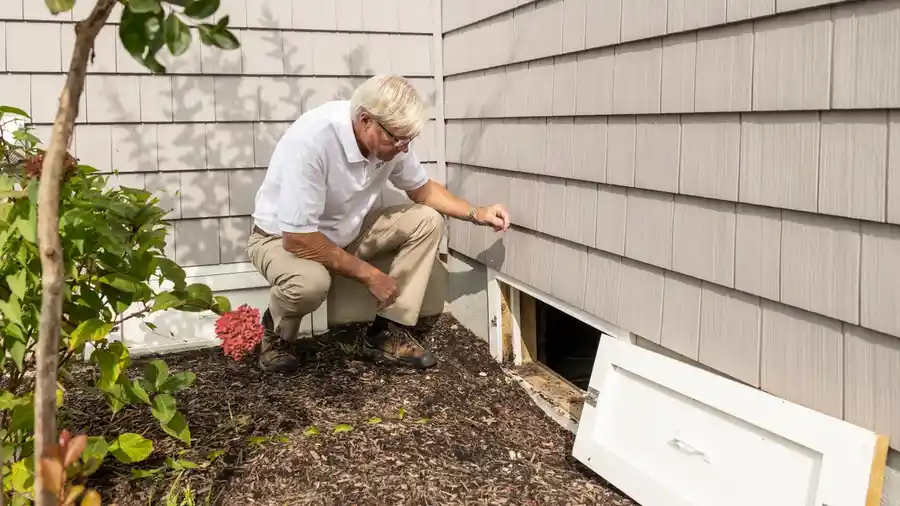
A weather check should focus on the roof edge, the gutter line, and every seam that takes water, heat, or wind. You do not need a ladder in hand to understand the pattern, but you do need to know where weather usually strikes first.
Because the clues show up in different places, it helps to compare sides of the house rather than inspect one spot in isolation. One side may look chalky, one may look damp, and one corner may look bent after a storm. Pattern beats guesswork.
Use this simple order when looking at weather effects:
- Start at the sunniest side and note fading, warping, or chalking.
- Check the rain side for stains, swollen edges, or peeling paint.
- Look under gutters for overflow marks, sagging, or dark streaks.
- Check corners and seams for gaps wider than a thin paint line.
- Look for ice-prone areas under valleys and cold roof edges.
- Inspect for dents, punctures, or loose panels after wind or debris.
- Compare opposite sides of the house so one exposed area does not mislead you.
If you want the broader diagnosis map, the hub on soffit fascia damage diagnosis ties the clues together without mixing up weather causes with material failure. For repair planning, see soffit fascia repair cost and soffit fascia replacement.
What weather affects soffit and fascia?
Weather affects soffit and fascia by breaking down the surface, moving the material, and opening paths for moisture. Rain and snow feed water into seams, ice expands hidden cracks, sun dries and weakens finishes, wind loosens edges, and storm debris can dent or tear the trim.
That is the short version. The longer version is that each weather type leaves a different signature. Sun fades and warps, water stains and swells, ice splits and lifts, wind loosens, and debris scars. Once you know the pattern, the roof edge stops looking random.
FAQ
Does sun damage vinyl soffit?
Yes, sun can damage vinyl soffit. Long exposure can fade the color, soften the material, and make it move more in heat. South- and west-facing sides usually show the most wear because they get stronger afternoon sun.
Can ice dams damage fascia?
Yes, ice dams can damage fascia. Meltwater can back up behind the roof edge, soak the trim, and freeze again in place. That cycle can loosen fasteners, stain wood, and leave hidden moisture behind the fascia board.
What weather is hardest on roof trim?
The hardest weather is usually the combination of water, freezing, and movement, not one single event. Rain, snow, ice, and wind work together at the roof edge, and storm debris can make a weak spot fail faster than normal wear would.
Drafted with AI; not yet reviewed by a person.



[…] should be specific. A quote that names vinyl soffit panels, aluminum trim coil, or wood replacement pieces gives you more to compare than “materials […]