
Last updated: November 19, 2026
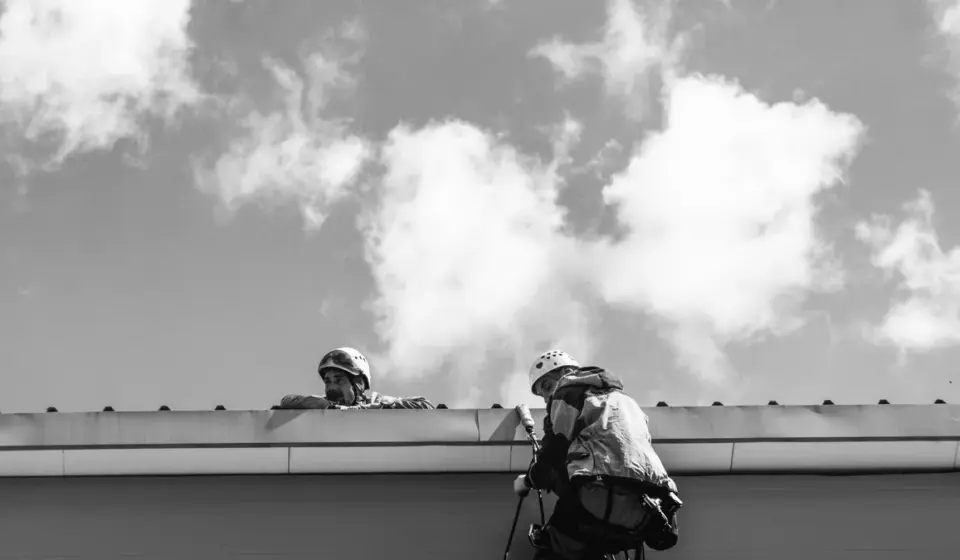
Start with a ground check using binoculars, then move to a ladder only if the area looks stable and dry. A careful soffit and fascia inspection looks for sagging, gaps, moisture, blocked vent openings, and pest activity before any repair work begins. If the damage seems widespread, the roof edge is soft, or the attic shows water entry, speak with a qualified professional about your situation.
Key takeaways
- Begin from the ground and only move closer when the roof edge looks steady.
- Look at the gutter, the roof edge, the soffit panels, and the fascia as one system.
- Moisture, stains, soft wood, and loose fasteners matter more than surface dirt.
- Vented soffit needs open airflow; blocked vents can hide a bigger problem.
- Stop if the wood feels spongy, the ladder setup is unsafe, or the attic shows active leaks.
What should you check first?
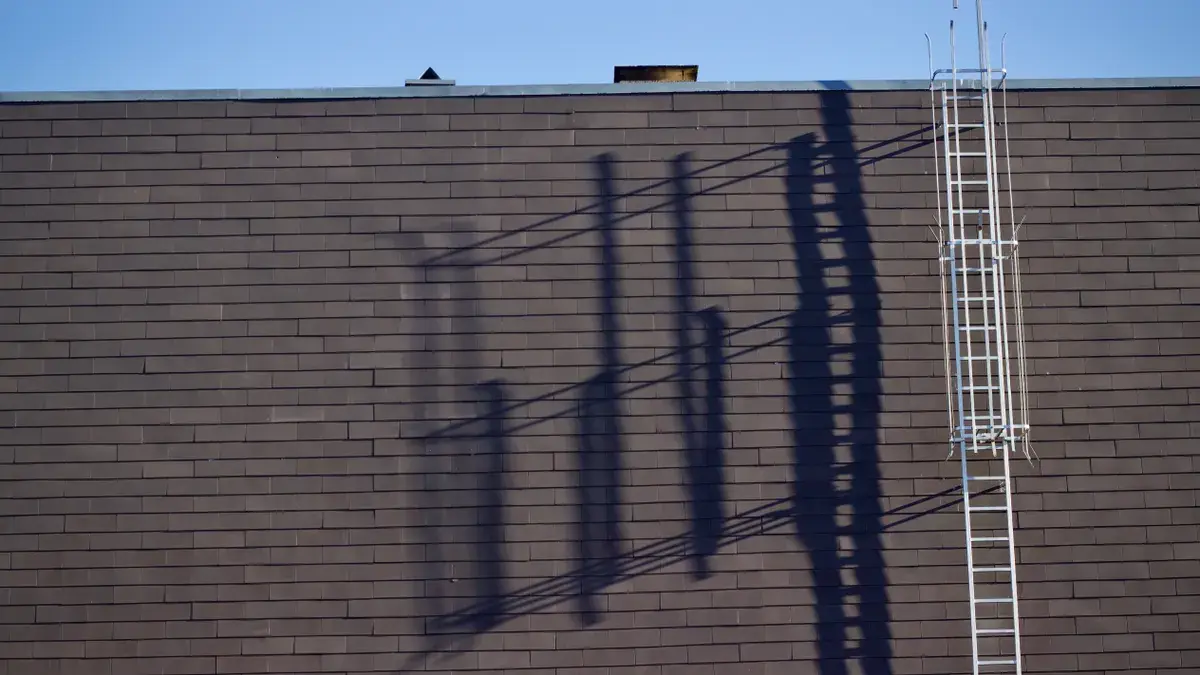
Check the ground line first, because it tells you where the roof edge is failing before you climb. Use binoculars to scan the soffit, fascia, and gutter from several angles, then note any sagging, peeling paint, staining, gaps, or missing pieces. This first pass takes only a few minutes and can prevent a risky climb for a roof edge that already looks unstable.
A useful way to think about the inspection is that the soffit is the underside of the eave and the fascia is the board at the roof edge that often supports the gutter. A vented soffit has openings that should stay clear, while a solid soffit does not. If the gutter is bent, overflowing, or pulling away, the problem may be loading the fascia rather than the soffit alone.
How do you inspect soffit and fascia step by step?
Inspect the area in order: ground, ladder, roof edge, then attic. Each step below uses one tool or one position shift, and each one should answer a simple question: does the material still look dry, straight, and firmly attached?
- Use binoculars to scan the full eave line from the ground. Stand 10 to 20 feet back if space allows and sweep the entire roof edge in sections. Verify that the soffit panels sit flat, the fascia line stays straight, and the gutter does not dip or separate. A wave, bow, or gap can point to hidden rot or loose framing.
- Use a ladder to view one small section at a time. Set the ladder on firm, level ground and keep three points of contact while you climb. Verify that the ladder does not wobble and that the section you can reach without overreaching is stable. If the ladder needs to lean against soft fascia or bent guttering, stop and choose another access point.
- Use a flashlight to inspect fasteners and joints at the roof edge. Look for nail heads, screws, open seams, and cracked caulk at close range. Verify that the fascia board is tight to the framing and that no fastener heads are rusted through or pulling out. A loose board or split end grain often means water has been working there for some time.
- Use your hand only to feel for dryness and firmness on accessible wood. Press lightly on the fascia and the underside of the soffit panel without prying. Verify that the material feels hard, not springy, and that the surface does not crumble under light pressure. Softness, flaking layers, or a hollow sound can point to decay beneath the paint.
- Use the gutter as a clue to trace water flow. Follow the gutter line where it meets the fascia and look for overflow marks, rust streaks, or pooled debris. Verify that downspouts and gutter joints are not sending water back onto the fascia or under the soffit. Water trails often explain why the same corner keeps failing.
- Use a screwdriver tip to probe only suspicious spots. Touch the tip to discolored wood or a swollen edge, then stop at the first sign of give. Verify that the tool does not sink in, split the surface, or reveal damp fibers. Any easy penetration suggests rot, even when the outside paint still looks intact.
- Use binoculars or a phone camera to check vent openings in vented soffit. Look for paint buildup, insect nests, insulation covering the openings, or debris packed behind the slots. Verify that the vents are open enough for air movement and that there is no obvious blockage across a long run. Poor airflow can trap moisture in the roof edge and attic.
- Use the attic to confirm what the outside view cannot show. Inspect the underside of the roof edge from inside with a flashlight, especially near eaves and corners. Verify that you do not see daylight where boards should meet, dark water stains, wet insulation, or mold-like spotting on the framing. If the attic shows active moisture, the exterior damage is likely only part of the problem.
This sequence is the safest way to separate surface wear from structural trouble. A paint crack is one thing; a soft fascia board, blocked vent opening, or wet attic framing is another.
Can you inspect soffit from the ground?
Yes, a ground inspection is the safest first pass and often enough to spot obvious trouble. Binoculars make it easier to see bowed boards, open seams, missing vent slots, or gutter pull-away without climbing. From the ground, you cannot confirm soft wood by touch, but you can decide whether the next step should be a closer look or a stop sign.
A ground check works best in daylight with the sun at an angle, because shadows make ripples and gaps easier to see. It is especially useful on two-story homes or any roof edge that sits above a steep slope. If the roofline is high enough that the details blur, the ground check should stay the main method unless a safer access point is available.
What counts as a problem, not just wear?
A problem is anything that shows movement, moisture, or decay rather than simple age. Peeling paint alone may be cosmetic, but peeling paint with soft wood, staining, a sagging gutter, or an open seam points to a deeper issue at the roof edge.
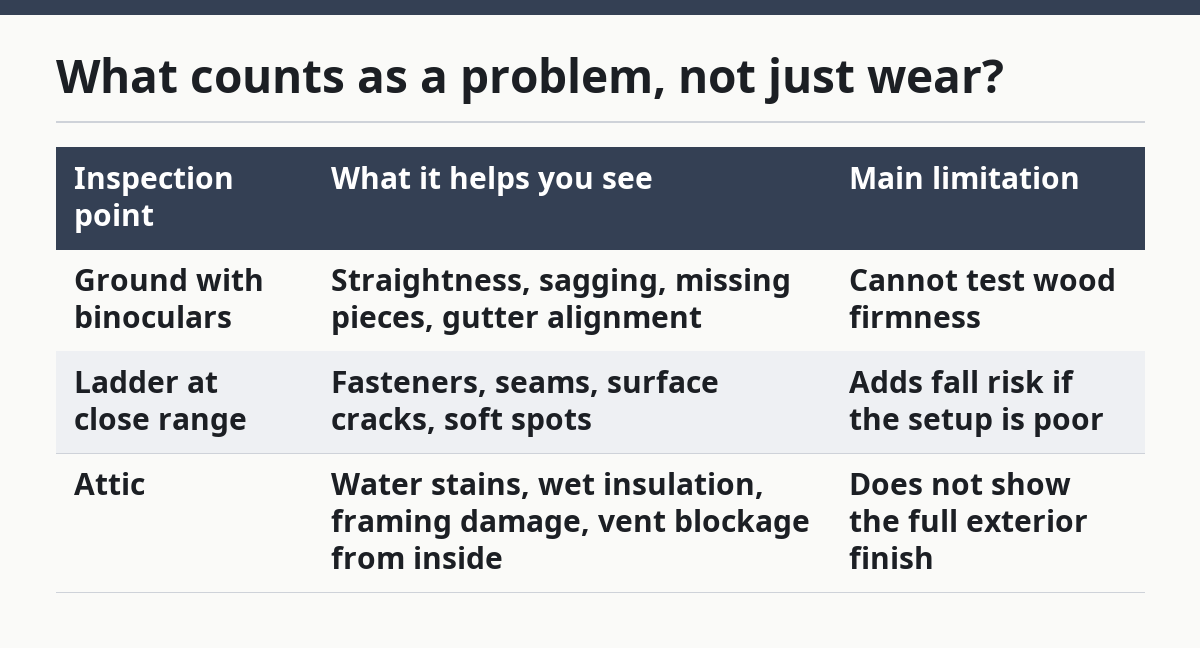
Here is a quick comparison of what each viewpoint can and cannot tell you:
| Inspection point | What it helps you see | Main limitation |
|---|---|---|
| Ground with binoculars | Straightness, sagging, missing pieces, gutter alignment | Cannot test wood firmness |
| Ladder at close range | Fasteners, seams, surface cracks, soft spots | Adds fall risk if the setup is poor |
| Attic | Water stains, wet insulation, framing damage, vent blockage from inside | Does not show the full exterior finish |
If the same problem appears in more than one place, treat it as more than surface wear. A stained soffit, loose gutter, and damp attic edge usually belong to the same moisture path.
When should you stop and call a pro?
Stop when the inspection shows conditions that make the roof edge unsafe to climb or likely beyond simple repair planning. The point of inspection is to reduce risk, not to force a close look at every cost.
Soft or spongy fascia: This often means rot has already weakened the board — do not keep pressing or prying, and have a qualified roofer or carpenter assess it.
Active water entry in the attic: Wet insulation, dripping, or fresh staining means the leak is still moving — stop the exterior check and get qualified help about the source.
Loose gutter sections pulling on the fascia: The gutter may be adding stress to already weakened wood — avoid climbing under it until the support is evaluated.
Blocked vent openings across a long run: Limited airflow can trap moisture behind the soffit — do not assume cleaning alone is enough if the blockage is widespread.
Any sign of pest nesting or entry holes: Birds, squirrels, bees, or insects can damage the edge and hide voids — keep your distance and arrange proper removal and repair planning.
Unsafe ladder conditions: Uneven ground, wind, wet shoes, or a ladder that cannot be set correctly make the inspection wrong for the job — stop and inspect only from the ground.
The risk here is not just a bad repair choice. A weak roof edge can fail under body weight, and wet attic framing can make the damage harder to judge from outside.
What mistakes do people make?
People usually make the inspection harder than it needs to be, or they miss the clue that tells them to stop. The fix is to slow down and inspect the roof edge as a system instead of chasing one bad board.
Mistake one is starting with the ladder. That skips the safest view and can send someone up before the problem is obvious; the better alternative is a 10-minute ground scan first.
Mistake two is checking only the fascia and ignoring the gutter. A gutter that is out of line can be the reason the fascia is failing; the better alternative is to trace the water path from roof edge to downspout.
Mistake three is confusing paint failure with wood failure. Peeling paint can be only cosmetic, while soft wood and open seams suggest a deeper issue; the better alternative is to test firmness at suspicious spots.
Mistake four is overlooking vented soffit openings. Blocked vents can trap moisture in the eave area and attic; the better alternative is to check that the slots or perforations are open.
Mistake five is pushing past the first sign of softness. Once the wood gives way, the board may be weak farther along than it looks; the better alternative is to mark the spot and stop probing.
Mistake six is forgetting the attic. The outside can look only mildly worn while the inside shows water stains and wet insulation; the better alternative is to verify the attic before planning repairs.
How do weather and roof type change the inspection?
Weather and roof shape change how carefully the inspection should be done. A wet roof edge, strong wind, or ice buildup makes ladder work a poor choice, and a low slope does not automatically mean the fascia is fine.
Homes with deep overhangs often hide damage better because the soffit and fascia are less exposed from the ground. Homes with complex rooflines can have multiple short runs of gutter and vented soffit, which means one weak corner can be missed if the inspection stays in one spot too long. If the roof edge is hard to see from one angle, inspect it from more than one side rather than guessing.
Older trim can also show layered repairs, where paint covers patchwork wood or filler. That makes surface condition less useful than firmness, alignment, and moisture signs. The rule stays the same: if the material is straight, dry, and solid, it is easier to plan repairs; if it is soft, wet, or moving, the inspection has found a real problem.
Why does this inspection matter before repairs?
Because repair work starts with the right diagnosis, and the wrong diagnosis wastes time and money while leaving moisture behind. A fascia that only looks ugly may need cleanup and repainting, but a fascia softened by water or a soffit blocked by debris points to a different repair path entirely.
The inspection also protects the attic and the roof edge as one system. If the gutter keeps spilling water onto the fascia, or if vented soffit openings are closed off, a repair that only covers the outside finish will not solve the cause. For more context on damage patterns, the hub article on soffit fascia damage diagnosis goes deeper into how the symptoms fit together.
What should I check first?
Check the ground line first, then the gutter, then the soffit and fascia in that order. A binocular view from 10 to 20 feet away shows sagging, gaps, and missing pieces without a ladder. If the roof edge already looks soft or crooked, stop there and avoid closer contact until the area is evaluated safely.
Can I inspect soffit from the ground?
Yes, and that is the safest place to begin. A ground inspection will not let you test wood firmness, but it can show missing vent openings, stained panels, loose gutters, and uneven roof edges. If those signs are visible, the next step is a closer look only when the setup is safe.
When should I stop and call a pro?
Stop when the wood feels soft, the ladder cannot be set safely, or the attic shows wet insulation or fresh stains. Those signs mean the problem is beyond a simple surface check and may involve structural damage or an active leak. A qualified professional can assess the roof edge and attic together instead of guessing from one view.
Drafted with AI; not yet reviewed by a person.

[…] hire a pro. I know this work by the failure pattern, not just the trim: should you repair soffit and fascia yourself or hire a pro is often decided by access, hidden damage, and fall risk, not by the visible […]