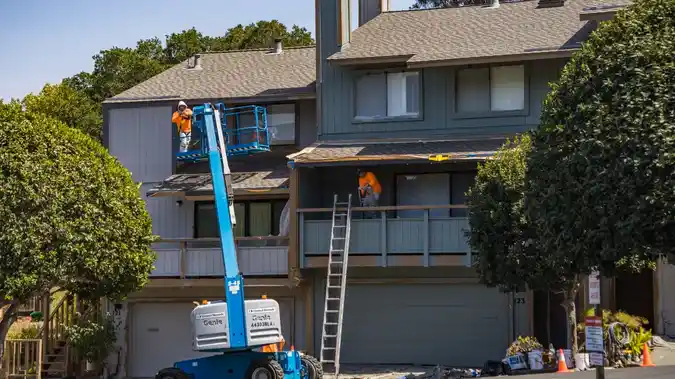

Last updated: November 13, 2026
Key Takeaways
- Ask which crew will do the work, what is included, and how changes are handled after tear-off starts.
- A licensed, insured soffit and fascia contractor is the first filter for ladder-and-roof-edge work.
- A scope question can prevent surprise charges before the first ladder goes up.
- Choose the material that fits your home, climate, and maintenance tolerance.
You need a soffit and fascia contractor who can explain the work clearly before the first board comes off. Ask about license, insurance, scope, materials, timeline, cleanup, and warranty before you sign anything. The topic, questions to ask a soffit and fascia contractor, starts with clarity: who is doing the work, what it covers, and what happens if hidden damage changes the price. A direct answer now can save a dispute later.
What should I ask before I hire a soffit and fascia contractor?
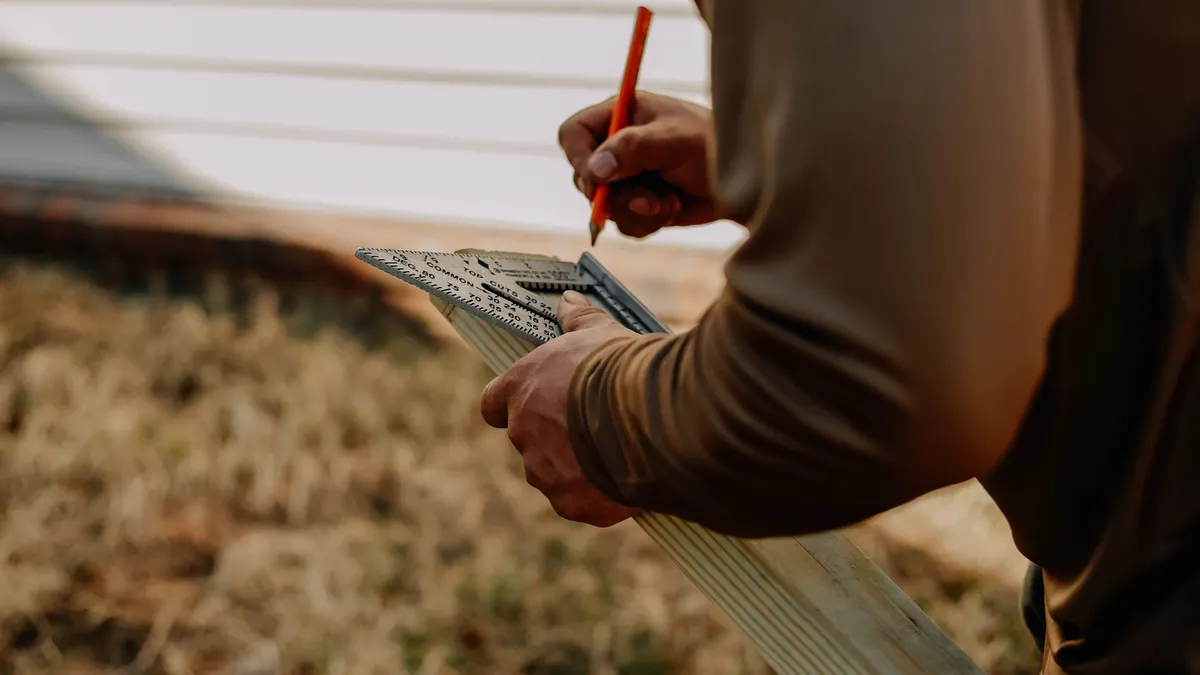
Ask the contractor the questions that tell you who is doing the work, what is included, and what happens if the job changes after the tear-off starts. A clean answer to those three points matters more than a polished sales pitch.
Picture this: you’re standing at your front door with peeling trim, soft wood, and a quote in hand. You want to know if the price covers the damaged sub-fascia, whether the crew is insured, and who handles permits if they are needed.
Start with the basics:
- Are you licensed for this kind of exterior work in my area?
- Do you carry general liability insurance and workers’ compensation?
- Will you remove and replace only the visible soffit and fascia, or also any rotten backing board?
- What material are you quoting for the replacement—wood, aluminum, vinyl, or another product?
- Who handles permits if the local code requires one?
- How long will the job take, from tear-off to final cleanup?
- What warranty do you give on labor, and what does the material maker cover?
A careful contractor should answer these without circling around them. If the answers change from one conversation to the next, keep looking. The truth is, a vague answer on day one often becomes a change order on day three.
Is the contractor licensed and insured?
A licensed and insured soffit and fascia contractor is the first filter, because exterior trim work often means ladders, saws, and roof edges. You do not need a lecture; you need proof that the business can legally do the work where you live and that someone is covered if a worker gets hurt or a wall gets damaged.
Ask for the exact license name used in your area and whether it is current. If your city or county requires a permit for exterior repairs, ask who pulls it and who pays the fee. A contractor who works in a state with local license rules should be able to explain them in plain language.
Ask for these documents or details:
- Business license or contractor license, if your area requires one
- General liability insurance
- Workers’ compensation coverage
- Permit responsibility, if the project needs one
- The name on the insurance certificate, which should match the company you are hiring
Here’s the catch: insurance is not the same as a promise. It just tells you the contractor has a backstop if something goes wrong. No paper removes all risk, but missing paper is a bad sign. If the contractor dodges the question or says, “We’ve never had a problem,” that is not enough.
What scope questions keep the quote honest?
A good scope question stops surprise charges before the first ladder goes up. The quote should say what gets removed, what gets replaced, and what happens if hidden rot shows up under the fascia or behind the soffit.
Picture this: you think you are paying for new aluminum soffit, but the crew finds rotten wood underneath and says the extra repair is “obvious.” That is the kind of gap that turns a simple job into a dispute.
Ask the contractor to spell out the scope in writing:
- What gets demoed — only loose trim, or all soffit and fascia on a side of the house?
- What gets inspected — will they check the sub-fascia, roof edge, and any damaged roof decking they uncover?
- What gets repaired — are rotten boards included, or billed as a separate line item?
- What gets reinstalled — gutters, drip edge, vents, or drip flashing?
- What does “complete” mean — one elevation, one side of the roofline, or the whole perimeter?
A good written scope keeps the job from wandering. A bad one uses words like “as needed” without saying who decides what is needed. If the contractor will not write down what is included, assume the quote is thin.
How do I know the material choice makes sense?
The right material choice is the one that fits your home, climate, and maintenance tolerance, not the one that looks best in a brochure. Soffit and fascia can be built from wood, aluminum, vinyl, or composite-type products, and each one has trade-offs.
Picture this: you live in a windy place with wet seasons, and the contractor offers a material that looks clean but dents easily or needs frequent paint touch-ups. The finish may look fine on day one, then cost you more later.
Ask these material questions:
- What material are you recommending for the soffit and why?
- What material are you recommending for the fascia and why?
- Does the product need painting, and if so, how soon?
- Is the system vented where the soffit needs airflow?
- How does the material handle moisture, sun, and impact?
- What trim pieces, vents, or fasteners are used with it?
One more thing: if the contractor says “best material” without naming the actual product, that is too vague. Ask for the brand or product type on the quote. A name on paper gives you something to compare, and it reduces the chance of a bait-and-switch later.
You should also ask whether the material choice affects the warranty. Some product warranties cover only the product itself, not labor, paint, or labor to remove failed parts. That difference matters when you are comparing bids.
How long will the job take and what happens on site?
The job should have a start day, a work window, and a cleanup plan. That matters because soffit and fascia work often affects access to eaves, gutters, siding edges, and the ground around your house.
Picture this: the crew arrives with ladders and saws, but you still do not know whether they need one day or three, or whether the driveway will be blocked. That is a small detail until it becomes your problem.
Ask for a simple timeline:
- What day do you expect to start?
- How many days will the work take?
- How many workers will be on site?
- What time do you usually begin and end?
- Will you need access to electricity, water, or part of the yard?
- What should I move before you arrive?
If the contractor says the timeline depends on weather, that is normal. Rain, wind, and cold snaps can slow exterior trim work. But “weather permitting” is not a full schedule. Ask what they do if a delay pushes the job back 2 or 3 days.
Now, you might be wondering about the cleanup. Ask that too. A careful crew should say how they handle nails, scrap metal, sawdust, broken wood, and magnetic cleanup if fasteners are dropped. If pets or kids use the yard, ask where debris is staged and when it leaves.
What should the warranty cover?
The warranty should cover the work you paid for, the parts that can fail, and the time period you can actually use. A warranty that sounds long but excludes half the job is not much help.
Picture this: new fascia goes up, but a seam opens or a vent loosens after a season of wind. You need to know whether the contractor comes back for labor, whether the material maker covers the product, and what counts as normal wear.
Ask these warranty questions:
- How long is the labor warranty?
- What parts of the work are covered?
- What does the manufacturer cover, if anything?
- Does the warranty include caulking, fasteners, and trim pieces?
- What voids the warranty?
- Who do I call if there is a problem after the job ends?
Ask for the warranty in writing, not as a handshake promise. A written warranty should name the company, the covered work, and the claim process. If the contractor says, “We stand behind everything,” ask them to put that into an actual document with dates and limits.
Because the warranty often explains the limits of the job, it can reveal how organized the contractor really is. A sloppy warranty usually means a sloppy service process later.
What are the red flags in a soffit and fascia bid?
A bid with missing details is the loudest red flag, because it leaves you exposed to extras, delays, and arguments. The worst bids are not always the cheapest; they are the ones that hide what is included.
Picture this: one quote is a single number and a vague promise, while another lists materials, labor, removal, cleanup, and warranty. The second one usually gives you a better read on what you are actually buying.
Watch for these warning signs:
- No written scope
- No mention of license or insurance
- No permit answer
- No material name
- No cleanup language
- No warranty terms
- A pressure line like “sign today” with no time to read
A contractor who refuses to answer basic questions about insurance or scope is not saving you time. They are moving risk onto you. That is a bad trade.
Also watch the way the contractor talks about hidden damage. A fair contractor says the quote covers visible work and explains how extra rot or roof-edge damage will be priced if found. A vague one pretends every wall is identical and every home is a clean swap. It almost never works out that way.
Which questions belong in the final walk-through?
The final walk-through should confirm that the installed work matches the quote and that the site is clean. This is your last chance to catch a gap before the crew leaves and the ladder disappears.
Picture this: the soffit is up, but a vent is blocked, a fascia joint is open, or scrap metal is still in the grass. A short walk-through catches that fast.
Use this simple closeout checklist:
- Check the scope — did they complete every area listed in the quote?
- Check the edges — are seams tight and aligned?
- Check ventilation — are vented soffits open where they should be?
- Check the cleanup — are nails, scrap, and dust removed?
- Check the paperwork — do you have the warranty and any permit sign-off?
Ask the contractor to point out anything that was changed from the original plan. If hidden rot changed the job, the reason should be on the invoice, not buried in a comment you notice later. A walk-through is not just for picky people; it is how you keep the job tied to the quote.
For more on the wider hiring process, the hub on hiring and the pricing guide on soffit and fascia work can help you compare the next step without mixing up this checklist with pricing details. The repair guide is also useful if you are comparing replacement against smaller fixes.
FAQ
Should the contractor inspect the roof too?
Yes, if the roof edge touches the soffit or fascia work. A contractor should look at the roofline, gutters, and drip edge because damage there can affect the trim repair. The inspection does not need to become a full roof replacement pitch, but it should catch obvious issues before work starts.
What warranty questions matter most?
The most useful warranty question is what labor is covered and for how long. Ask who pays if the same area fails again, what material defects are covered by the maker, and whether caulk, fasteners, and trim pieces are included. Get the answers in writing, not just in conversation.
Do I need multiple bids?
Yes, if you want a clearer read on scope and material differences. Two or three bids often show where one contractor includes removal, cleanup, or rotten-board repair and another leaves them out. A cheaper quote can be thin, so compare the written scope, not just the final number.
Drafted with AI; not yet reviewed by a person.



[…] Answer: When deciding when to replace soffit and fascia instead of repairing them, use replacement when rot, repeated leaks, or structural failure have […]
[…] tools before you spend money on finish materials. The first buys should support the rest of the soffit and fascia repair tools and materials […]
[…] pricing. Most repair sites like this cannot give a real final number from a page alone because soffit and fascia work depends on access, height, materials, and hidden […]